
Categories
2026 Real Estate, Buyer Tips, Consultation, First Time Home Buyer, Home Maintenance, Homeownership, Real Estate Tips, Smart Buyer, TrendsPublished June 18, 2026
Skipping the Final Walkthrough? Think again!

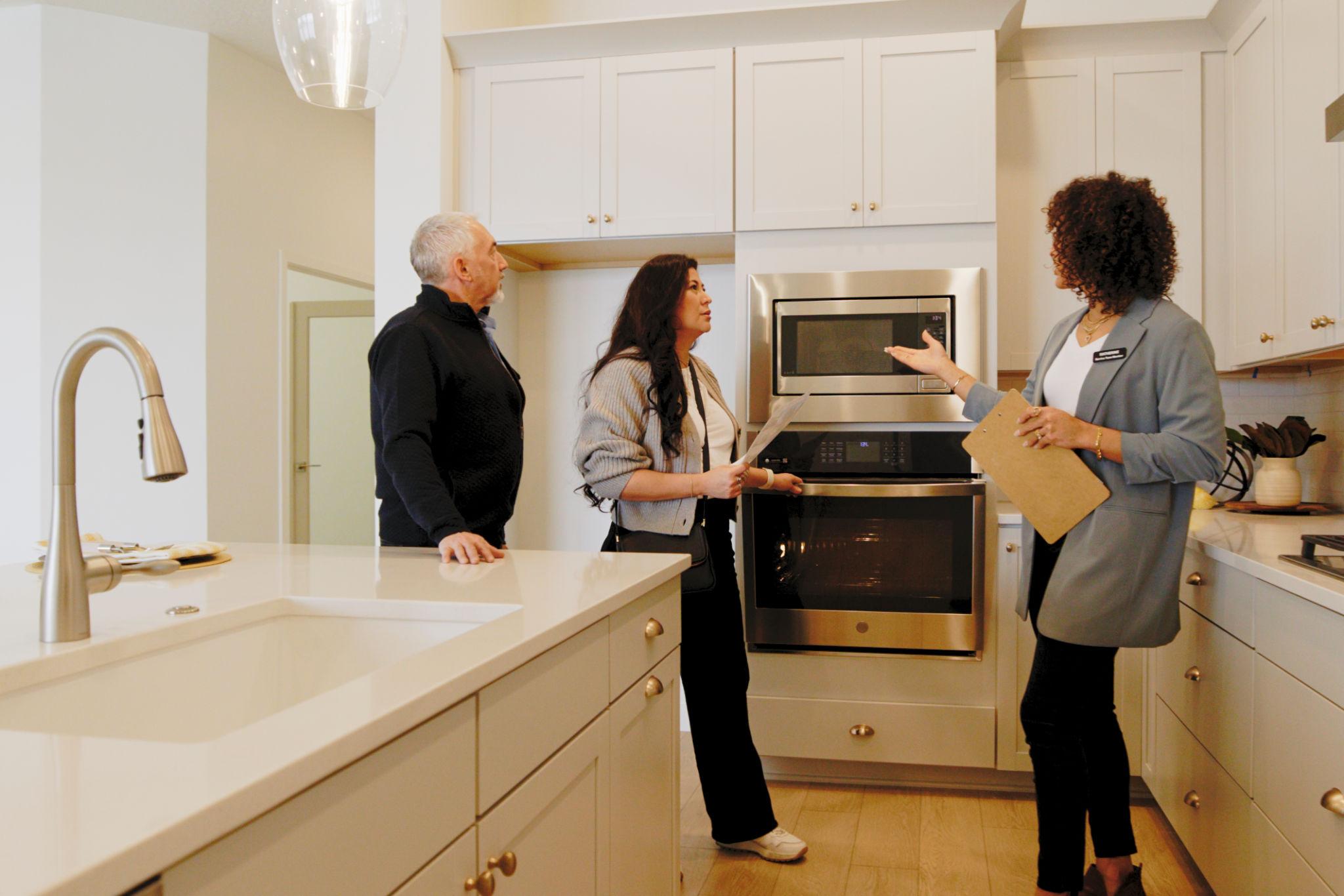
Is Skipping the Final Walkthrough a Good Idea?
Buying a home involves many moving parts, from inspections and financing to paperwork and closing preparations. As closing day approaches, some buyers may wonder whether the final walkthrough is really necessary. After all, if the inspections are complete and the paperwork is ready, what could change in the final days before closing?
While every transaction is unique, the final walkthrough serves an important purpose and is often one of the last opportunities for buyers to confirm that the property is in the expected condition before ownership transfers.
What Is a Final Walkthrough?
A final walkthrough typically takes place shortly before closing, often within 24 to 72 hours of the scheduled closing date. It is not another home inspection, but rather an opportunity to verify that:
- The property is in substantially the same condition as when the purchase agreement was signed.
- Any agreed-upon repairs have been completed.
- Included appliances, fixtures, and other items remain in the home as outlined in the contract.
- No new issues have arisen since the inspection period.
The walkthrough gives buyers a chance to see the property one final time before completing the purchase.
Why Some Buyers Consider Skipping It
There are situations where buyers may be tempted to skip the final walkthrough:
- Busy schedules or travel commitments.
- Long-distance relocations.
- Confidence that the property has remained unchanged.
- Tight timelines leading up to closing.
While these reasons are understandable, skipping the walkthrough means giving up an opportunity to verify the home's condition before the transaction is finalized.
What Could Change Before Closing?
Most transactions proceed smoothly, but unexpected situations can occur between contract acceptance and closing. Examples may include:
- Appliances being removed when they were intended to stay.
- Repairs that were agreed upon but not completed.
- Damage that occurred during the seller's move-out process.
- New leaks, mechanical issues, or maintenance concerns.
- Personal property left behind that was expected to be removed.
The final walkthrough can help identify these issues before closing documents are signed.
What Should Buyers Look For?
During the walkthrough, buyers may want to:
Test Major Systems
Run faucets, flush toilets, check light switches, and verify that heating and cooling systems are functioning properly.
Review Completed Repairs
If repairs were negotiated during the transaction, confirm that they were completed as agreed and that any available documentation has been provided.
Check Appliances and Fixtures
Verify that appliances, ceiling fans, light fixtures, and other included items remain in place and appear operational.
Inspect for New Damage
Look for any visible damage that may have occurred since the last visit, especially if the seller has recently moved out.
Confirm Property Condition
Ensure the home is generally clean, vacant if required by the contract, and ready for occupancy according to the agreed terms.
What Happens If an Issue Is Found?
Finding an issue during the final walkthrough does not automatically mean the transaction cannot proceed. Depending on the circumstances, buyers and sellers may work together to determine an appropriate resolution.
Potential solutions could include:
- Completing outstanding repairs before closing.
- Negotiating a credit or escrow holdback when permitted.
- Arranging for certain items to be addressed after closing through mutual agreement.
Real estate professionals, attorneys, title companies, and other transaction participants can help guide the process when questions arise.
Is It Ever Okay to Skip the Final Walkthrough?
Every buyer's situation is different, and some may choose not to conduct a walkthrough based on their circumstances. However, because it provides a final opportunity to verify the property's condition before closing, many buyers find value in taking advantage of it whenever possible.
Even in relatively straightforward transactions, a brief walkthrough can offer additional peace of mind and help ensure expectations align with the condition of the home at closing.
Final Thoughts
The final walkthrough is often one of the last steps before receiving the keys to a new home. While it may seem optional when everything appears to be on track, it can provide an important opportunity to confirm that the property is in the expected condition and that any agreed-upon items have been addressed.
If you're approaching closing, consider discussing the final walkthrough process with your real estate professional so you know what to expect and how to make the most of this final visit before ownership officially changes hands.

Ben Kinney Team
| Adelina Rotar | Texas Realty Group
or another way