
Categories
First Time Home Buyer, Home Maintenance, Homeownership, Home Search StrategyPublished May 19, 2026
Repair or Replace? Knowing When It’s Time to Upgrade Your Appliances

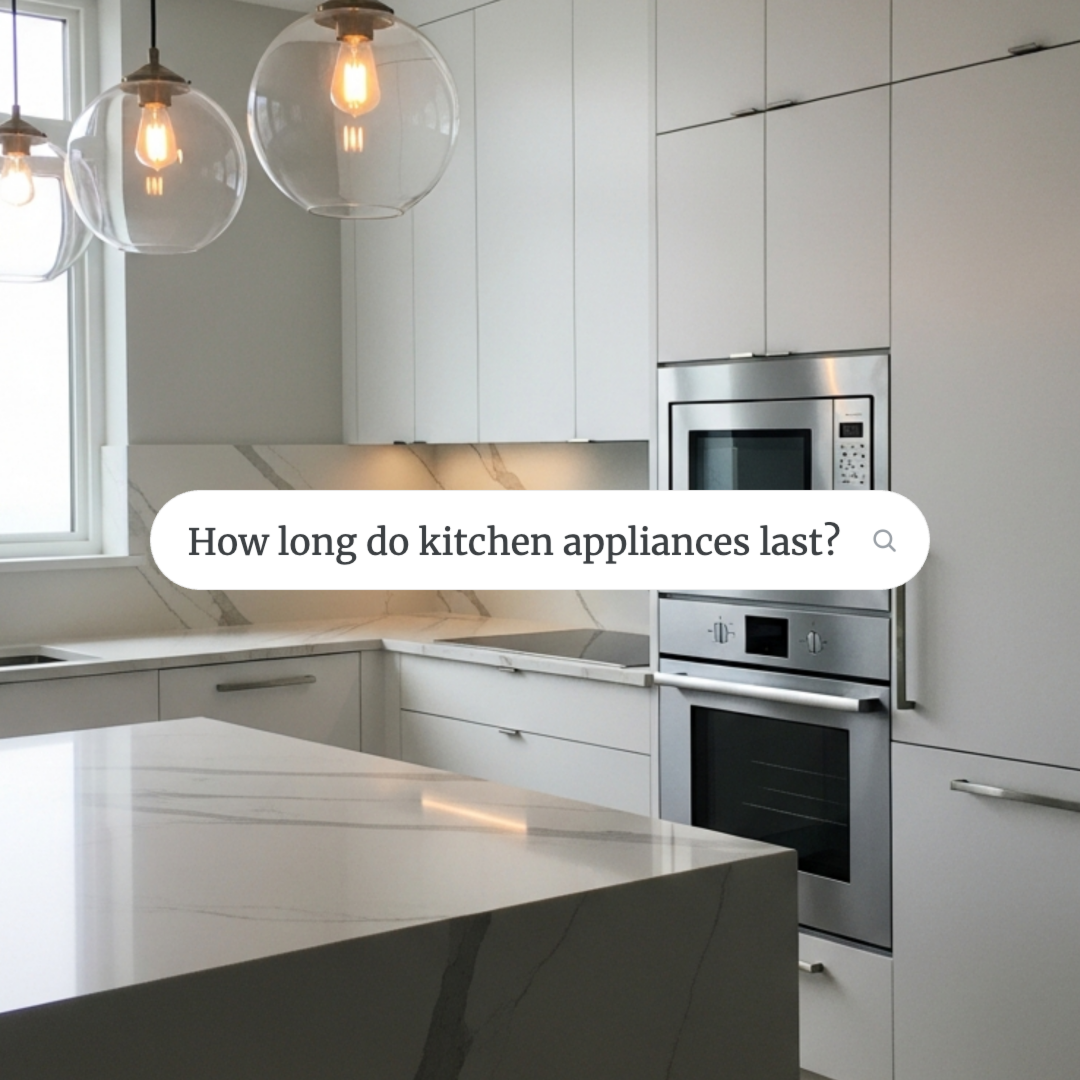
There’s nothing quite like the frustration of a refrigerator that stops cooling properly or a dishwasher that suddenly leaves everything dirty. When an appliance starts acting up, many homeowners are left asking the same question: should I repair it or replace it entirely?
The answer depends on several factors, including the appliance’s age, repair costs, efficiency, and how often problems are occurring. Knowing when to repair versus replace can save you both money and stress in the long run.
How Long Do Appliances Typically Last?
Most major household appliances have an average lifespan of about 10–15 years, though proper maintenance can sometimes extend their usability.
Here are some common appliance lifespan estimates:
- Refrigerators: 10–15 years
- Dishwashers: 8–12 years
- Ovens & ranges: 13–15 years
- Washing machines: 10–12 years
- Dryers: 10–13 years
- Microwaves: 7–10 years
If your appliance is still relatively new and the issue is minor, a repair is often the smartest option.
When a Repair Makes Sense
In many cases, repairing an appliance can quickly solve the issue without the expense of a full replacement.
A repair may be worth considering if:
- The appliance is less than 8–10 years old
- The repair cost is relatively low
- The problem is isolated or uncommon
- The appliance has otherwise been reliable
- Replacement models are significantly more expensive
Simple fixes like replacing a heating element, thermostat, seal, or motor component are often much more affordable than purchasing a brand-new appliance.
Signs It May Be Time to Replace
Sometimes, replacing an appliance is the more practical long-term decision — especially if repairs are becoming frequent or expensive.
You may want to consider replacement if:
- The appliance is nearing the end of its lifespan
- Repairs are becoming more frequent
- Energy bills are increasing due to inefficiency
- Parts are difficult to find
- Repair costs approach 50% of replacement cost
- The appliance no longer meets your needs or lifestyle
Newer appliances are often more energy-efficient, quieter, and equipped with updated technology that can improve daily convenience.
The Cost Rule to Remember
A common guideline homeowners use is the “50% Rule.”
If the repair cost is more than half the price of a new appliance — and the unit is already older — replacement is usually the better investment.
For example:
- A $700 refrigerator needing a $400 repair may not be worth fixing if it’s already 12 years old.
- A 3-year-old dishwasher needing a $150 repair is likely worth saving.
Don’t Forget About Efficiency
Older appliances often consume more water and electricity than newer models. Even if an older unit can still technically function, replacing it may reduce monthly utility costs over time.
Energy-efficient appliances can also:
- Lower energy usage
- Improve home functionality
- Increase convenience
- Appeal to future buyers
Final Thoughts
Deciding whether to repair or replace an appliance isn’t always easy, but considering the appliance’s age, repair frequency, and overall efficiency can help guide the decision.
A quick repair may buy you several more years of use, while replacing an outdated appliance can improve reliability and reduce future headaches.
When in doubt, comparing repair estimates with replacement costs is often the best place to start.

Ben Kinney Team
| Adelina Rotar | Texas Realty Group
or another way