
Categories
2026 Real Estate, Buyer Tips, First Time Home Buyer, Homeownership, Home Search Strategy, Smart BuyerPublished June 25, 2026
Are You Mortgage-Ready? | Documents You'll Need For A Motgage Application

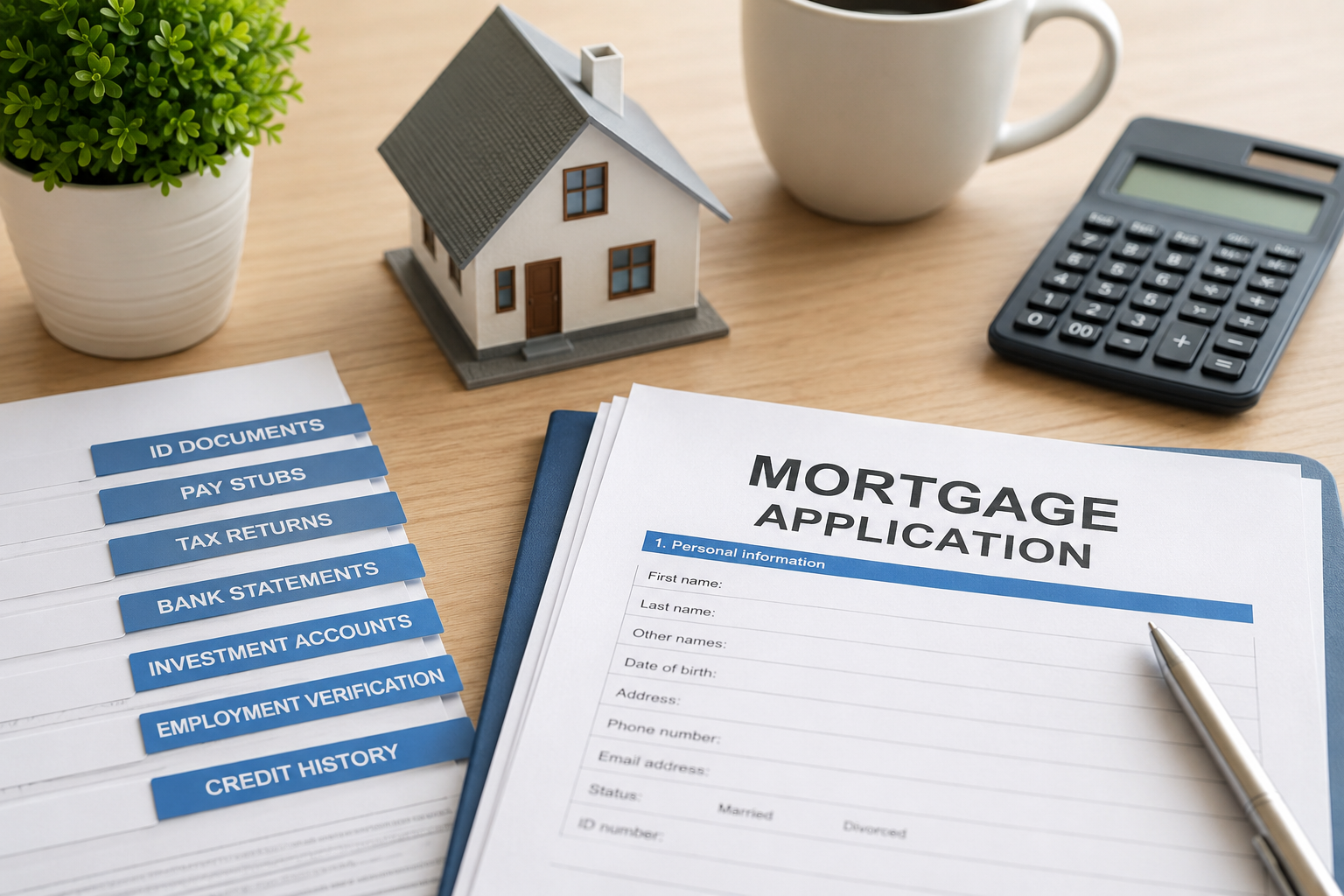
Buying a home is an exciting milestone, and getting pre-approved for a mortgage is often one of the first major steps in the process. While lenders will evaluate your financial qualifications, being prepared with the right documentation can help make the application process smoother and less stressful.
If you're planning to purchase a home in the Austin area or anywhere else, here's a helpful guide to the documents you may need when applying for a mortgage.
Why Documentation Matters
Mortgage lenders use financial documents to verify your identity, income, assets, employment, and overall financial profile. This information helps them determine the type of loan you may qualify for and how much you may be able to borrow.
Having these documents organized before you begin can help reduce delays and keep your home search moving forward.
Common Documents You'll Need
1. Proof of Identity
You'll typically need a valid government-issued photo ID, such as:
- Driver's license
- State-issued ID
- Passport
Lenders use this to verify your identity and complete required documentation.
2. Proof of Income
Your lender will want to understand your current income and employment status. Common documents include:
- Recent pay stubs (usually covering the last 30 days)
- W-2 forms from the past two years
- Federal tax returns (typically the last two years)
- 1099 forms if you're self-employed or receive contract income
If you're self-employed, additional business tax returns or profit-and-loss statements may also be requested.
3. Employment Verification
Many lenders verify employment directly with your employer, but you may also need to provide:
- Employer contact information
- Recent employment history
- Offer letter if you're starting a new job
Stable employment history can help provide a clearer picture of your financial situation.
4. Bank Statements
Lenders generally request statements for checking, savings, and other financial accounts from the previous two to three months.
These statements help verify:
- Available funds for your down payment
- Closing cost reserves
- Overall financial stability
Be prepared to explain any unusually large deposits if requested.
5. Asset Documentation
If you're using additional funds toward your home purchase, you may need documentation for:
- Retirement accounts (401(k), IRA)
- Investment accounts
- Certificates of deposit (CDs)
- Gift funds from family members (with a signed gift letter, if applicable)
Your lender will explain what documentation is required based on your specific situation.
6. Information About Existing Debts
Although lenders often review your credit report, they may ask for information regarding:
- Student loans
- Auto loans
- Personal loans
- Credit card balances
- Existing mortgages
Having recent statements available can be helpful if questions arise.
7. Rental History (If Applicable)
First-time buyers who currently rent may be asked to provide:
- Rental payment history
- Landlord contact information
- Current lease agreement
Consistent on-time rent payments can help demonstrate financial responsibility.
Additional Documents You May Need
Every financial situation is unique. Depending on your circumstances, your lender may also request:
- Divorce decree or separation agreement
- Child support or alimony documentation (if you choose to have qualifying payments considered as income)
- Bankruptcy or foreclosure documentation, if applicable
- Documentation for Social Security, pension, or other income sources
- Explanations for significant financial events or credit inquiries
Providing requested documents promptly can help keep your application on track.
Tips to Prepare Before Applying
A little preparation can go a long way. Consider these simple steps before submitting your application:
- Gather important documents in one secure location.
- Review your credit report for accuracy.
- Avoid making large purchases or opening new credit accounts during the mortgage process.
- Keep your financial records organized and up to date.
- Respond quickly if your lender requests additional information.
Getting Mortgage-Ready
Preparing your paperwork ahead of time won't guarantee loan approval, but it can help make the mortgage application process more efficient and less overwhelming. Every buyer's financial situation is different, and your lender will guide you through the documentation needed for your specific loan program.
If you're planning to buy a home in Austin or the surrounding communities, working with knowledgeable real estate and lending professionals can help you understand each step of the process and feel more confident as you move toward homeownership.
Whether you're purchasing your first home, upgrading to a larger space, or downsizing, being organized from the start can help make your home-buying journey a little smoother.

Ben Kinney Team
| Adelina Rotar | Texas Realty Group
or another way