
Categories
First Time Home Buyer, Homeownership, Pre approval, pre qualifiesPublished December 8, 2025
What Is an Earnest Money Deposit and How Does It Work?

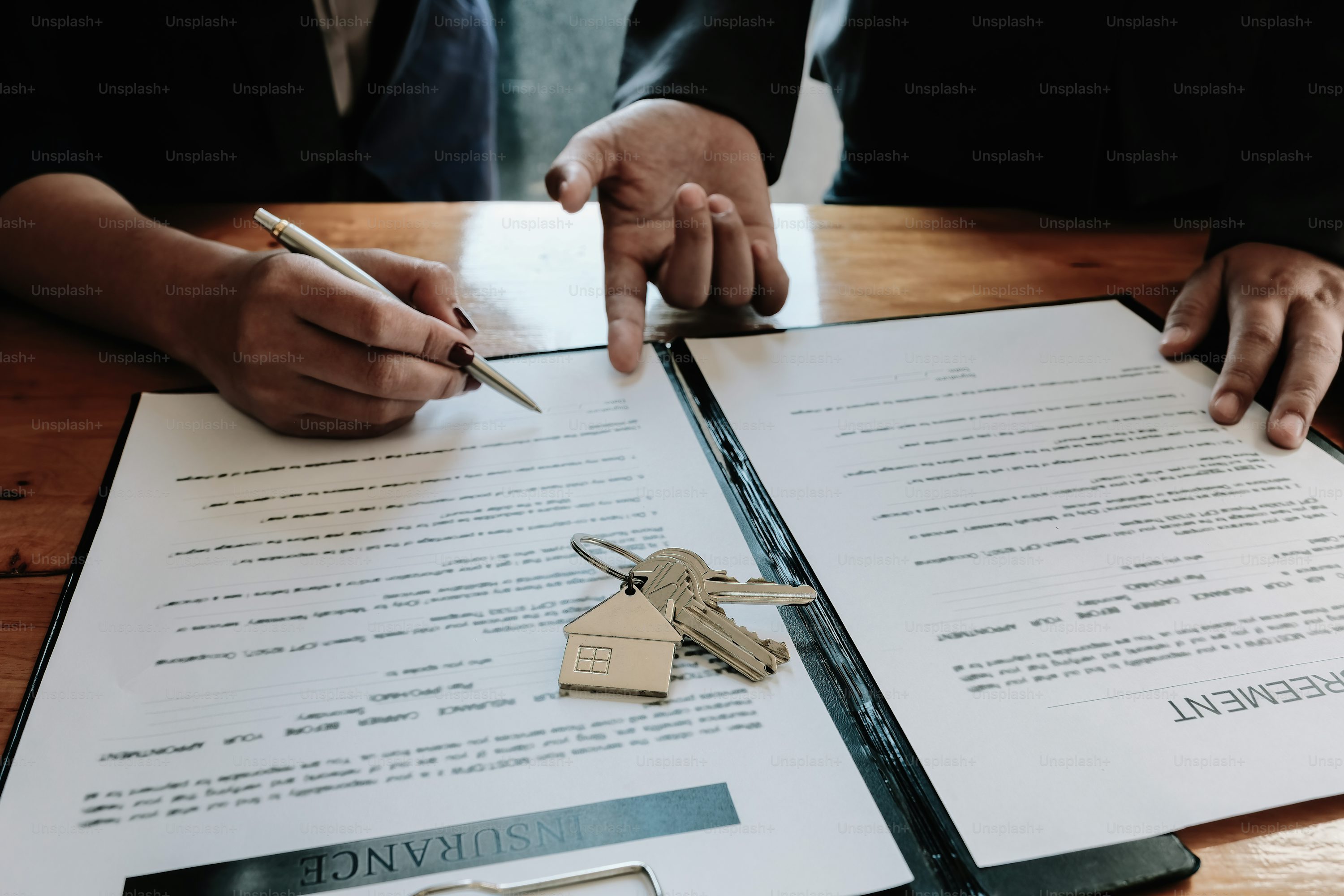
What Is an Earnest Money Deposit and How Does It Work?
When a buyer makes an offer on a home, one of the terms often included is the earnest money deposit. This deposit shows commitment to the purchase and signals to the seller that the buyer is serious about moving forward. Understanding how earnest money works can help clarify an important part of the real estate process.
Below is a simple, fair-housing-friendly explanation of what earnest money is, how it’s handled, and what buyers and sellers can expect.
💰 What Is Earnest Money?
Earnest money is a good-faith deposit submitted when an offer is accepted on a home. It is not an extra fee — it is typically applied toward the buyer’s closing costs or down payment at the end of the transaction.
The purpose of earnest money is to:
-
Show commitment to the purchase
-
Encourage both parties to stay on track with contract timelines
-
Provide a level of security to the seller while the home is under contract
The amount varies depending on the local market and terms of the contract.
📄 Where Does Earnest Money Go?
Once the contract is signed, the earnest money is usually delivered to a title company, escrow agent, or attorney for safekeeping. It remains in this secure, neutral account until closing.
Earnest money is not paid to the seller at this stage — it is held by a third party to ensure transparency and fairness throughout the process.
🔍 When Is Earnest Money Refundable?
While every contract is unique, real estate agreements often include contingencies — conditions that must be met for the sale to move forward. If a buyer terminates the contract within an allowed contingency period, the earnest money is generally refundable.
Common contingencies include:
-
Inspection
-
Financing
-
Appraisal
-
Title review
These contract terms are designed to protect both parties and support a smooth, equitable transaction.
📝 When Earnest Money May Not Be Returned
If a buyer chooses to cancel the contract outside of the agreed-upon contingency terms or deadlines, the earnest money may be forfeited to the seller. This helps protect the seller from losses if the home was taken off the market during the contract period.
Clear communication and adherence to contract timelines are essential to keeping the transaction on track.
🔚 Final Thoughts
Earnest money plays a meaningful role in real estate transactions. It helps demonstrate commitment, supports transparency, and creates a balanced structure for both buyers and sellers throughout the contract period.
If you ever have questions about how earnest money works or what to expect in a real estate contract, our team is always here to help.
Texas Realty Group – Austin, TX
📧 info@texasrealtygroup.com
🌐 www.texasrealtygroup.com

Ben Kinney Team
| Adelina Rotar | Texas Realty Group
or another way